Hello Reader
Washington has a new election-season strategy, and it runs on diesel.
But when energy markets collide with sanctions, wartime diplomacy and voter frustration, a headline-grabbing deal may carry costs far beyond the pump.
Discover why a deal designed to ease pressure today could create bigger problems tomorrow.
War-time elections are a separate genre of their own. And while the United States is not fighting a full-scale war the way Russia is, the Iran conflict has engaged and entrapped the Trump administration in more than just one way.
For an already risky midterms, President Trump is putting his bet on… diesel.
Yes, you heard me right! Let’s unpack the timeline!
October 18 is when the Lindsey O. Graham Sanctions Act (against Russia and Iran) either goes in-effect or is winded down in some ways. That’s the deadline Trump faces, and so far, his words tell us the latter is likely.
Just eight days before this deadline, which was last Friday, Trump made an announcement that has raised some eyebrows, even within the Republicans. The US is wavering Russian energy sanctions so Moscow can send its diesel to the US and global markets.
If we look at the numbers, the announcement does not offer any relief but appears as a last-minute desperate attempt to hide from the hanging dagger of diesel prices. Or a popular move at best; the classic pre-election move where numbers look big but offer literally nothing.
Let me explain!
2.94 million barrels is the daily diesel consumption of the transport sector of the US alone. In his Truth Social post, Trump said Putin has agreed to release 2.25 million barrels immediately. An amount that falls short of even the daily need of one sector. At best, the said million barrels will provide the market a day-long price relief.
In November, when the midterms are, Russia will be able to release 3.7 million barrels, as Trump said. Again, now we have a reference to know what this amount covers. A minor ease in diesel prices for a matter of days is all there is to look forward to.
Those who understand markets predict the energy and diesel price spike is here to stay well into the year 2027. And that Russian diesel supplies are unlikely to sway the prices in the short run.
If we zoom into the US markets, diesel prices have more than doubled since the start of this year.
Between July 6 and September 22, the price of a gallon of diesel went up by 40%.
July 8 was when Russia banned diesel exports faced with Ukrainian attacks on its refineries. No exports, so internal demand can be met on priority.
In addition to purely economic and market reasons, the diesel bet is risky for most evident geo-political reasons as well. While Trump announced an energy ceasefire, Ukraine neither bowed nor saluted. For no two or three part negotiations preceded this sudden announcement.
Any kind of ceasefire between Russia and Ukraine is possible only when both sides agree on one. Not to mention Ukraine’s European patrons regarded the diesel situation as “very risky choice” (Italy’s Meloni) and as “out of the question” (Germany’s Merz). So what ceasefire really?
If attacks on energy facilities continue, can Russia release promised diesel for the US and global markets?
With midterms just around the corner, even Republican Senators could not help but ask Trump to rescind the deal he made with Putin. 12 Senators, half of them Republicans, called the deal a “gift to our adversary” in a letter addressed to Trump.
Commodity and energy prices have been seen to impact voter behavior quite meaningfully. In that context, Trump took a chance and like most of his abrupt announcements, justified it as what is best in the American interest (and not of the allies).
But behind the numbers is a simple fact that the spike in prices is not coming down any time soon and that November 3 will see a lot of frustrated voters, who are concerned everyday and are juggling to keep up with an ever-growing cost of living crisis.
This is the most direct hit at the Republican voter base that has yet to see the US find its way out of another self-inflicted wound (the Iran war).
~~_...._...._...._...._...._...._~~
Global Women Insight
Exclusive Interview With Masarrat Misbah
 |
1. D-8 Completes Ratification of Preferential Trade Agreement, 20 Years After Signing
With all eight original members having ratified the D-8 preferential trade pact, the challenge now shifts from diplomatic approval to implementation: whether lower trade barriers can turn a diverse group of economies into a more connected commercial bloc.
2. SCO Members Conduct Joint Counterterrorism Drills in Belarus
Counterterrorism drills in Belarus brought SCO members, including Pakistan, China, Russia and Iran, into joint operational exercises, demonstrating practical security cooperation even as members differ over the bloc’s wider geopolitical direction.
3. ASEAN Foreign Ministers to Discuss Transboundary Haze at November Meetings
As Southeast Asian countries prepare to discuss the worsening haze, the challenge for ASEAN is to turn regional concern into effective cooperation on fire prevention, accountability and the protection of public health
4. GCC Secretary General Urges Gulf-Asia Partnership to Unlock Investments
Gulf brings substantial investment resources, while Asian economies offer manufacturing depth, technology and expanding markets; the opportunity lies in building joint ventures and supply chains that create lasting economic value rather than simply moving money across regions.
|
What we're watching next
Upcoming multilateral events you should look out for
When: November 20, 2026
Where: Brussels
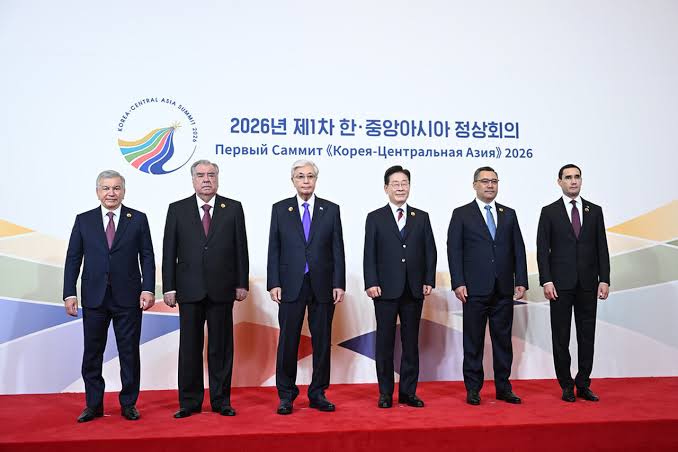
Will South Korea’s minerals deal help Central Asia build industry, or just make it another supplier?
READ "The Seoul Surprise: Why South Korea Is Courting Central Asia?" HERE
By Warda Tehreem
|
|
|
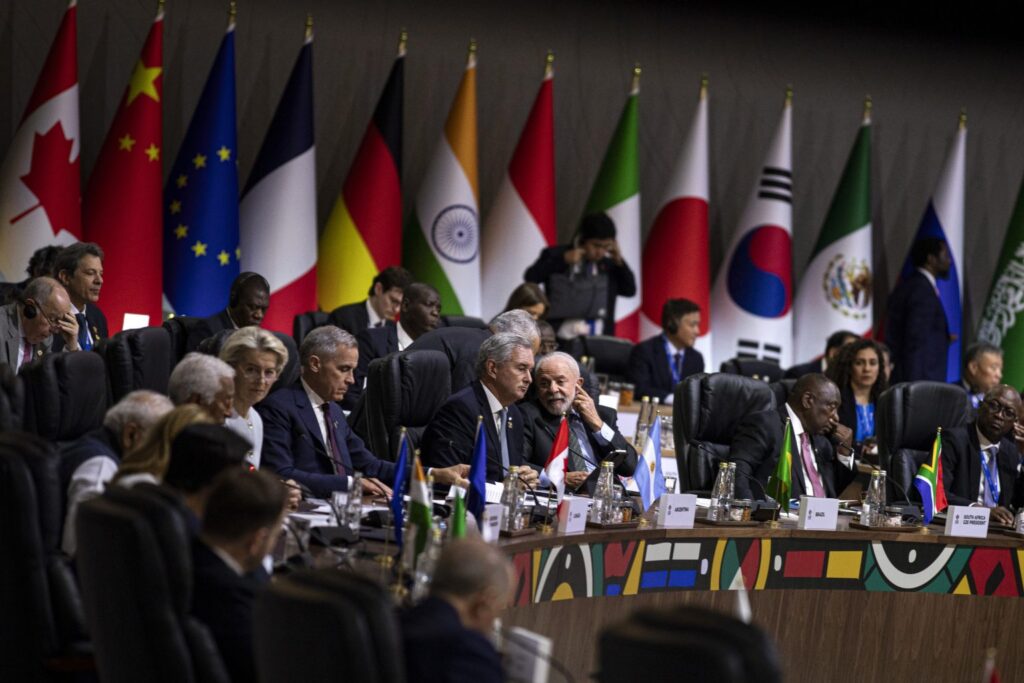
Geopolitical power today is not in picking a side, but in having more options than everyone else.
READ "New Diplomacy of Strategic Autonomy: Why Countries Are Refusing to Choose Sides?" HERE
By Muhammad Moez
|
|
|
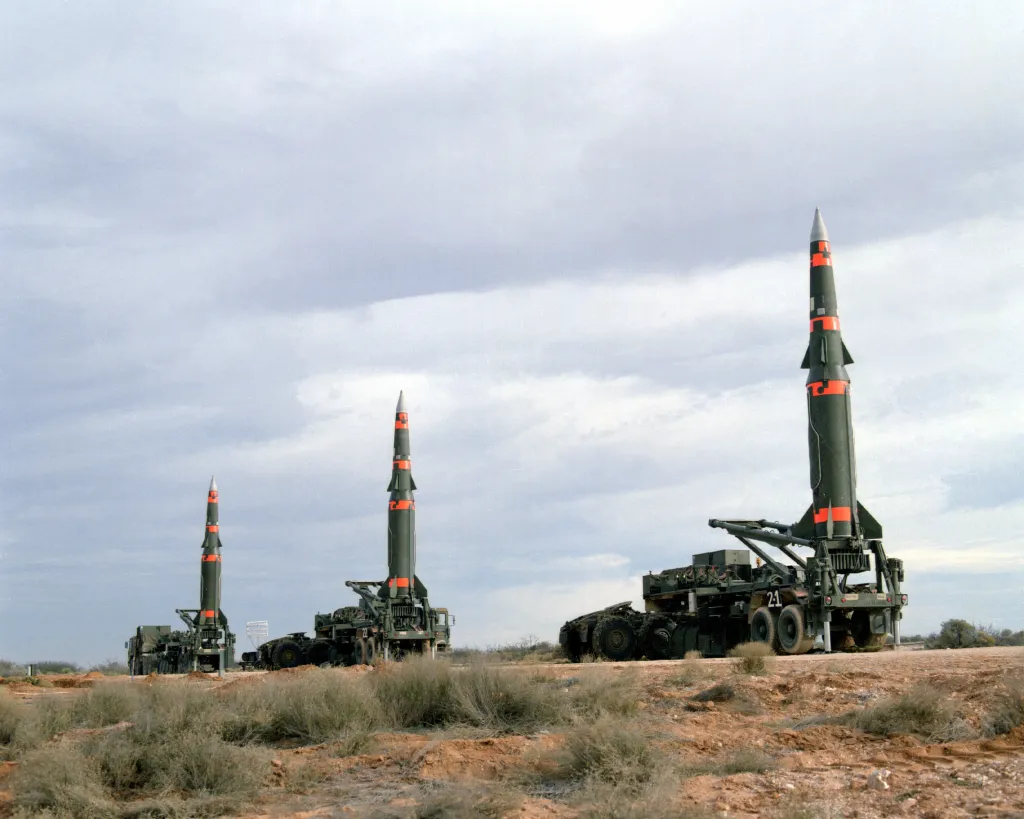
Colby’s tactical-nuclear posture stands over a depleted, overstretched military; but hardly has a fix to offer.
READ "Borrowed Weapon: Strategic Insolvency and the Nuclear Compensatory Reflex" HERE
By Muhammad Mahad Samija
|
|
|
Get featured in our newsletter
Send your insights, opinions, and articles below
|