Hello Reader
Missiles over the Gulf... Drones over St. Petersburg...
The world is loud this week!
But, we are looking at something quieter which is perhaps more dangerous and with the potential to dwarf everything else on your newsfeed.
An Ebola outbreak is spreading in the Democratic Republic of Congo and almost no one is paying attention.
The first case of Ebola emerged on 24 April and has now killed 250 people and infected around 1,000 in DR Congo, while also reaching the borders of Kampala.
The species attacking this time is Bundibugyo, named after a district in Uganda where it was first detected in 2007, and there is no specific vaccine available yet to treat this strain.
Unlike COVID-19, Ebola is not the first of its kind, and it has erupted before, first in the previous century (1976) and later in previous decades (2007 & 2012) as well.
Despite the biologically proven causes of transmission of ebola, mainly through contact with the bodily fluids of infected animals or humans, as well as through bats and bushmeat, there are some underlying geopolitical factors that are worth reading into.
It is significant that we look into the fact that why it emerged now and why in Africa.
The question arises: if a new COVID-19 were to happen, would the world be better equipped to deal with it? Haven't we treated polio, malaria, and diseases of this kind that erupted centuries ago? Then why has Ebola still not been effectively treated, and why do we not even have a vaccine for this Ebola strain that first emerged in 2007 and then again in 2012?
This is not a continent that is simply unlucky with disease. It is a continent whose capacity to contain disease was systematically denied to it, first by colonialism, then by the debt-laden post-independence order, and now by the collapse of international health financing.
USA has left WHO with the idea that health funds would be spent more on Americans as part of the “America First” health strategy, ignoring the fact that multilateralism is necessary to prevent disease from reaching your borders.
Now, talking about what is left in WHO: the Pandemic Agreement—it is still a compromise document because Europeans cannot share their technology to cater to pharmaceutical interests. We are seeing nowhere near the kind of proactive action from the G20 for this recent outbreak as we saw when it became the most relevant political forum in efforts to tackle COVID-19.
Though WHO has flagged Ebola as a public health emergency of international concern, where is that concern?
Now, coming to the elephant in the room; land-use change and habitat fragmentation increase spillover risk by bringing humans, wildlife, and livestock into closer contact. This catastrophe is driven by mining concessions and logging interests. Roads built for extraction have pushed settlements deeper into bat habitats and expanded the bushmeat trade, increasing direct contact with animal reservoirs.
Ebola spreads through contact with the bodily fluids of infected animals or humans. Once that initial spillover occurs, the virus no longer depends on the forest. It moves through a far more efficient network: human-to-human transmission in overcrowded displacement camps, understaffed clinics, and conflict-affected communities unable to isolate the sick.
Coltan is a mineral found in nearly every smartphone and laptop you own. Most of it comes from the Democratic Republic of Congo, and the fight to control it has torn the country apart for decades. These resource wars destroy habitats, displace communities, and push people closer to wildlife, creating the perfect conditions for viruses to jump species.
Measles, monkeypox, and now Ebola, the DR Congo has seen them all. Today, the insurgent group M23 controls Rubaya, a single coltan mine that supplies 15% of the world's tantalum, and is dangling access to it as a strategic trade offer to Washington, while an Ebola outbreak burns in the same region.
What does all of it entail? Extraction has driven previous as well as current epidemics in Africa; be it resources, its institutional capacity, or its right to build resilient health systems on its own terms.
From DiploTV
Conversation With a Diplomat: Interview With H.E. Sayed Naveed Safdar Bokhari
Ambassador of Pakistan to Oman
Speaking beyond official titles and diplomatic protocol, the Ambassador shares the story of his personal and professional journey, reflects on the essence of diplomacy, and highlights the qualities every true diplomat must possess.

|
1. St. Petersburg Economic Forum Hosts 20,000 Participants from Over 100 Countries
Around 20,000 participants from more than 100 countries are expected at SPIEF 2026, with Saudi Arabia named guest of honor and its delegation set to be led by Energy Minister Prince Abdulaziz bin Salman — coinciding with the 100th anniversary of Russia-Saudi diplomatic relations.
2. SCO Secretary General Highlights Security Cooperation at Shangri-La Dialogue 2026
The SCO made its debut appearance at the Shangri-La Dialogue in Singapore, the first time the organization has been represented at the annual forum organized by the International Institute for Strategic Studies.
3. CICA Secretary General Calls for Modern Silk Road at Termez Dialogue
At the second Termez Dialogue in Tashkent, CICA Secretary General Kairat Sarybay laid out a four-point connectivity framework targeting transit corridors, regional supply chains, digital logistics infrastructure, and harmonized cross-border regulations, all in service of building a modern Silk Road across Asia.
4. Commonwealth Appoints Two Deputy Secretaries-General
The Commonwealth Secretariat has appointed India's Ambassador Tanmaya Lal as Deputy Secretary-General (Programs) and Tania Baumann as Deputy Secretary-General (Corporate), as the 56-member organization prepares for CHOGM in Antigua and Barbuda later this year.
5. Five Countries Elected to UNSC as Germany Fails in Bid
The UN General Assembly elected Austria, Kyrgyzstan, Portugal, Trinidad and Tobago, and Zimbabwe as non-permanent Security Council members for 2027–2028, with Kyrgyzstan securing a historic first-ever seat while Germany fell short despite an active campaign, receiving 104 votes against Portugal's 134.
|
What we're watching next
Upcoming multilateral events you should look out for
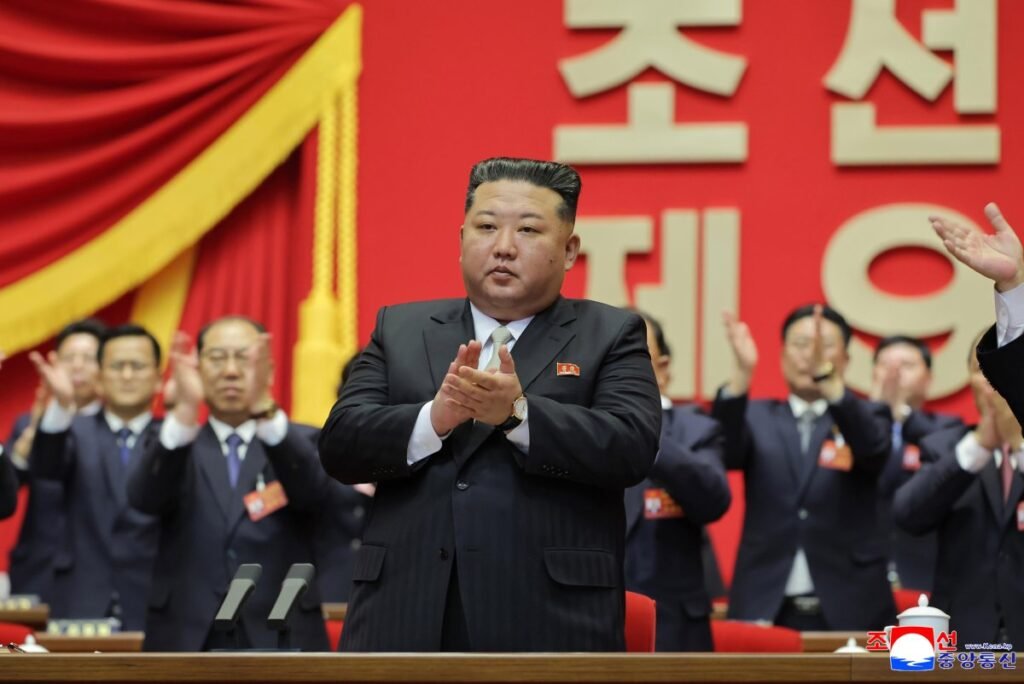
Beyond Reunification: North Korea’s Constitutional Shift & Limits of Global Governance
By Boby Purba
Since the Korean war, the world has interacted with the Peninsula on the assumption that both sides will ultimately reunite.
But something happened in 2024 that has made it impossible for this assumption to hold weight.
READ HERE
|
|
|
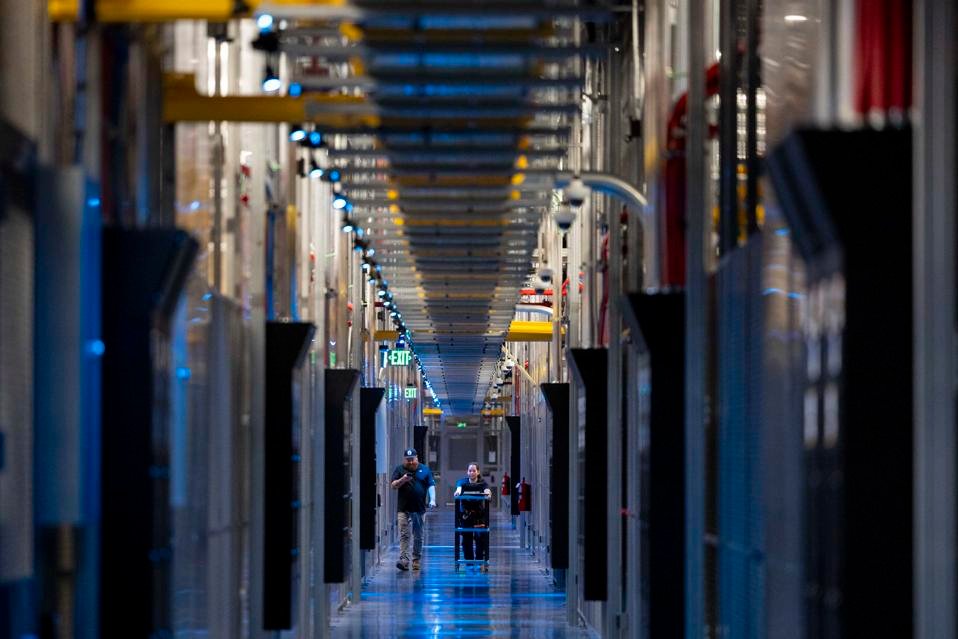
AI Militarization, Data Centers, and the New Architecture of Risk
By Heather Wokusch
The mingling of artificial intelligence and national security creates more insecurity - for citizens in peace time and civilians in conflict zones.
And there are more than one reasons to believe so.
READ HERE
|
|
|
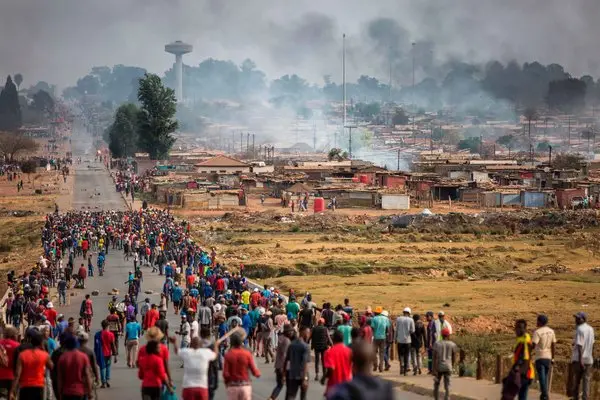
Xenophobia and the Betrayal of Pan-African Solidarity
By Peseo Lao Pio
80% of migration in Africa happens within the continent.
But today, some South Africans declare other Africans foreign to the continent itself.
READ HERE
|
|
|
Get featured in our newsletter
Send your insights, opinions, and articles below
|
|
Follow us
Written and edited by Dr. Farhat Asif, Nuzhat Rana, Irsa Khalid, Farkhund Iqbal, and Hassan Ahmed
Put your brand in front of diplomats, policymakers, and decision-makers: Advertise in the newsletter
Reach out to us: info@thediplomaticinsight.com
___________________
Copyright © 2026 Diplomatic Insight Publishers Pvt Ltd. All rights reserved.
Diplomatic Insight Group head office, 2nd floor, Mehria Plaza, Block D, G-6/2, Islamabad, Islamabad Capital Territory 44000
Unsubscribe | Update your profile
|