Hello Reader
The World Cup has always been where nations go to compete.
But lately, it's also where they go to signal...
So, this year's FIFA World Cup is being watched closely by diplomats, IR students, journalists, and policymakers.
Not for the football (though that too), but for what's happening to long-standing norms in sports and diplomacy.
I've watched every World Cup since I was old enough to care about a final score.
Apart from the thrill of football itself, watching people from so many cultures and countries share the same emotional charge. The Senegalese fans in face paint dancing next to Japanese supporters in the same stand. For me, that was the beauty of football.
We’d witness those scenes this year as well. But for its impact on public diplomacy among nations, something has been lost.
International sport offered a stage where nations and people engaged with one another in the spirit of emotional yet rule-based competitiveness. This unique trait made sport a strong channel of public diplomacy that belongs to ordinary people.
That channel is now closing.
But it's not a new observation. For the past decade, Olympics, Cricket, and even FIFA's last two editions haven't been exactly free of international drama.
Even before the current environment of polarization, sport as a bridge wasn’t as smooth as the ideals suggest. The 1936 Berlin Olympics were a propaganda exercise. Apartheid-era South Africa spent decades exiled from world sport.
Selective inclusion, selective exclusion - none of this is new or unexpected.
What was valued, however, was that the game itself stay neutral, even when everything around it wasn't. Teams could represent governments that refused to speak to each other, but for the duration of the tournament, it didn’t matter.
That neutrality is what gave sport its diplomatic value: it gave nations a place to meet when every other door was shut.
This World Cup has accelerated the move away from that neutrality and normalized it.
Each cycle, the political logic casts a larger shadow over the once level playing field. Consider the pattern at this World Cup: players questioned for hours at the border. Delegations arriving incomplete because staff were denied visas.
Iran's squad, fielding a team while being at war, permitted into the U.S. only on match days – with 15 members of its delegation denied outright. Fans with valid bookings had their visas rejected just days before departure.
This cannot be explained by a "border control under stress" narrative.
Then there's Omar Abdulkadir Artan, CAF's Best African Referee of 2025, who arrived on a diplomatic passport and was sent home at the border. FIFA confirmed he will not officiate.
Consider what that means: a referee is the literal embodiment of neutral arbitration. To turn away an umpire undercuts the premise the entire tournament rests on: that there is still a neutral party in the room.
This is where it stops being about football.
When the world’s foremost superpower, hosting the world's biggest sporting event, demonstrates its border policy overriding the tournament's basic promise of impartial access, it establishes a new norm.
Other states take note of what the most powerful country in the world considers acceptable, and that becomes the new global baseline.
That is the real significance of FIFA 2026. It laid bare the steady closing of avenues through which nations once met without their guard fully up.
So enjoy the matches by all means. The tournament will crown a champion, and the highlights will circulate, and it will be easy to forget what was quietly conceded along the way.
The harder question is whether we still believe sport can bring nations closer, or whether we just stopped expecting it to.
~~_...._...._...._...._...._...._~~
Conversation With a Diplomat
Interview With H.E. Syed Haider Ali Shah
In this insightful episode of Conversation With a Diplomat, H.E. Syed Haider Ali Shah, Ambassador of Pakistan to the Netherlands, reflects on his professional journey, shares lessons from years of diplomatic service, and offers his perspective on the role of diplomacy in strengthening international cooperation.

|
What we're watching next
Upcoming multilateral events you should look out for
- G7 Summit in France, Happening June 15-17
- NATO Defense Ministers Meeting, Happening June 18, in Brussels
European Voices Assembly
A global debate competition with a mission: to promote dialogue through debate on the contemporary world's most pressing issues
|
Governing Afghanistan is far more complicated than winning a military campaign.
Have the Taliban realized it but not willing to admit?
READ "Beyond Border Strikes: Why Militancy Continues to Thrive in Afghanistan" HERE
By Farkhund Yousafzai
|
|
|
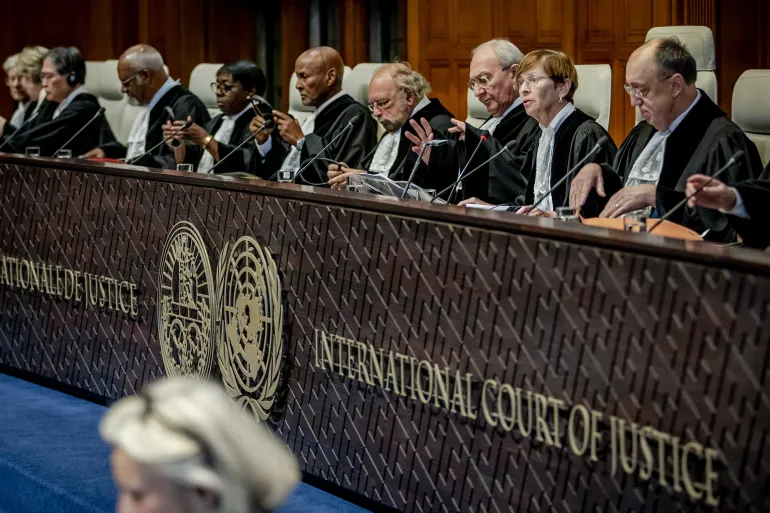
For three decades, only two cases were the Convention’s entire jurisprudential record at the ICJ.
Fast forward, ICJ had become a theatre of global politics.
READ "Genocide Convention at the ICJ: 80 Years of Jurisprudential Evolution" HERE
By Samia Tanveer
|
|
|
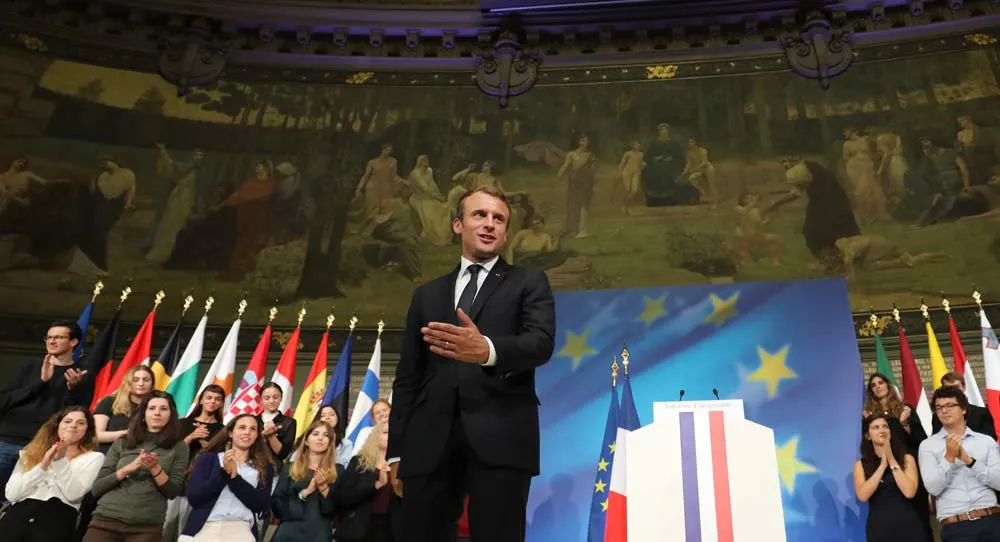
1996: French President Charles de Gaulle wrote to President Lyndon B. Johnson.
The resonance of this note can still be heard in France's defense quandary.
READ "France’s Doctrinal and Institutional Dilemma in European Defense" HERE
By Atuf Guliyev
|
|
|
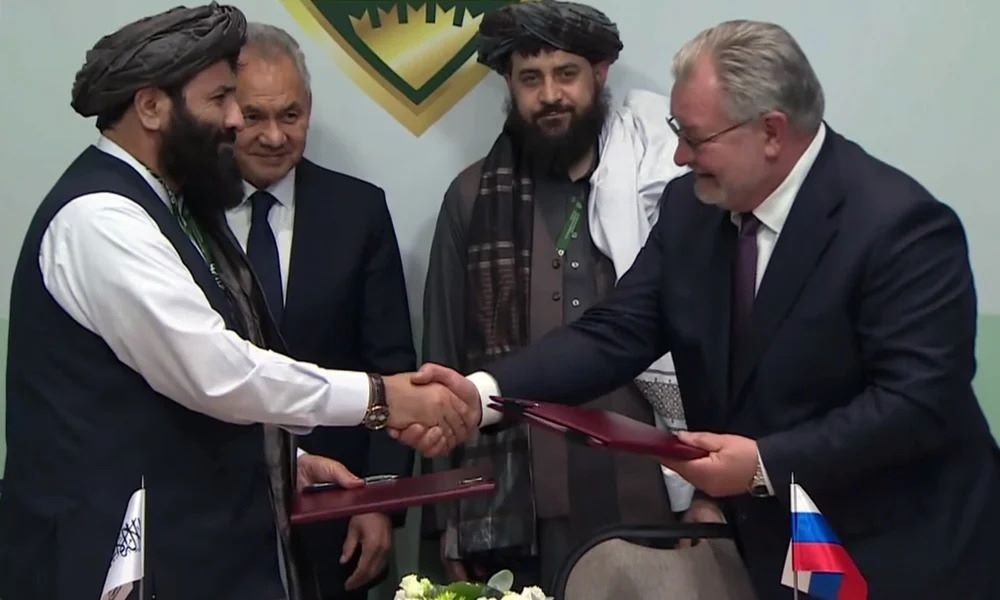
Russia is restoring what Pakistan spent months to degrade.
Is Russia deliberately playing Pakistan’s 1979 game back at Pakistan now?
READ "Russia-Afghanistan Military Pact Signals New Regional Power Realignment" HERE
By Farkhund Yousafzai & Irsa Khalid
|
|
|
Get featured in our newsletter
Send your insights, opinions, and articles below
|
|
Follow us
Written and edited by Dr. Farhat Asif, Nuzhat Rana, Irsa Khalid, Farkhund Iqbal, and Hassan Ahmed
Put your brand in front of diplomats, policymakers, and decision-makers: Advertise in the newsletter
Reach out to us: info@thediplomaticinsight.com
___________________
Copyright © 2026 Diplomatic Insight Publishers Pvt Ltd. All rights reserved.
Diplomatic Insight Group head office, 2nd floor, Mehria Plaza, Block D, G-6/2, Islamabad, Islamabad Capital Territory 44000
Unsubscribe | Update your profile
|